Limited Edition BoneBox Reveal: Gray Fox
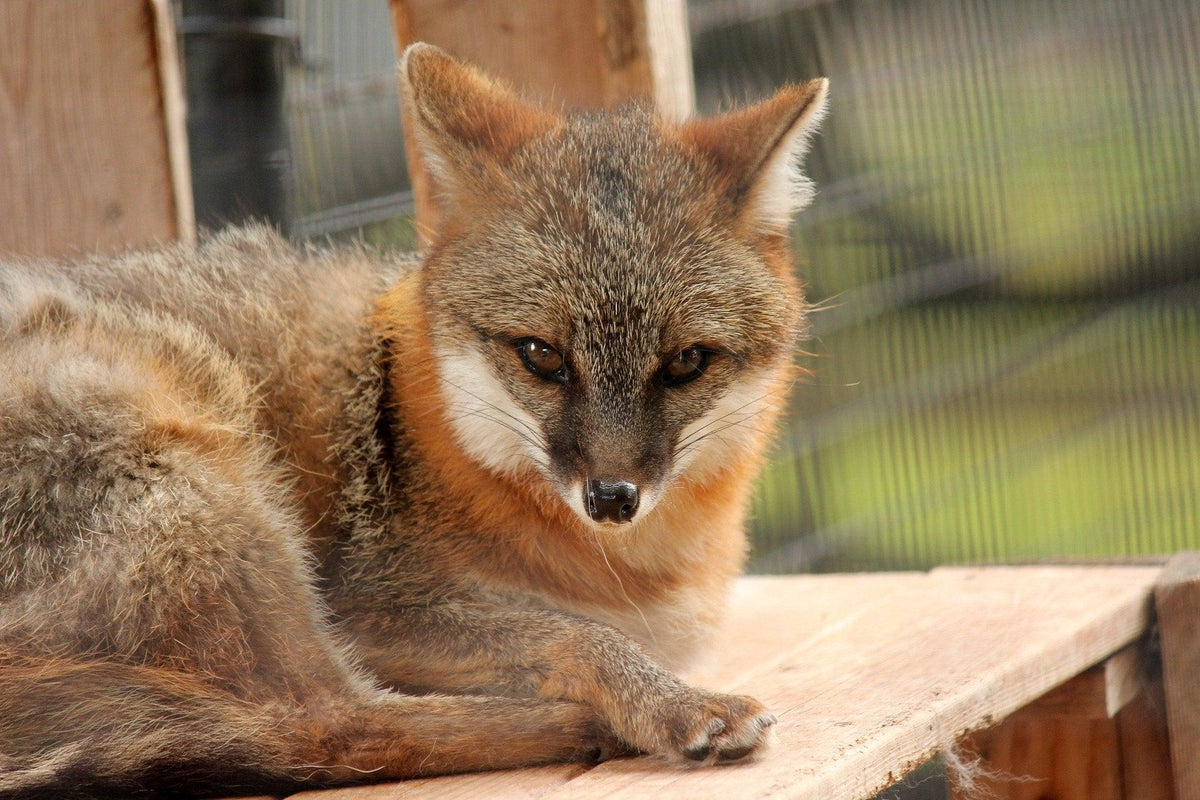
Often called the tree fox or grey fox depending on the region, the gray fox is the only member of the canid family besides the raccoon dog of East Asia who actively climbs trees. These foxes have strong, semi-retractable claws that help them climb with ease. They climb for a multitude of reasons - to catch prey, escape predators, and nap in relative safety. The gray fox famously enjoys sleeping in the sunniest spots they can find. Gray foxes tend to live in deciduous forests that contain plenty of brushy woodlands. You won’t find these highly territorial foxes in open plains or in heavily snowy areas. Some prefer to live in the ecotones between farmlands and woodlands, but gray foxes tend to frequent farmland way less than their cousin the red fox. This species tends to be monogamous and chooses only one mate per breeding season, and will sometimes remain with the same mate throughout their life. They will remain solo for most of the year, but when autumn arrives, it’s time to choose or reconnect with their mate! They will then spend most of the winter socializing with their mates and producing offspring. These animals are notoriously good parents, especially the males. Kits are born in either April or May after a 53-day gestation period, and most gray fox couples produce about 4 to 5 kits per litter. During the first four months of the kits’ lives, the father provides most of the food while the family remains in their comfortable den. At about the four-month mark, the kits emerge from the den for the first time, and both parents will work together to teach them to hunt. The gray fox father takes on the responsibility of teaching the kits stalking and pouncing behavior. When autumn arrives again, it’s time for the kits to venture off on their own, establish their own territories, and for the cycle to begin all over again. Sources: http://animalia.bio/gray-fox https://www.esf.edu/aec/adks/mammals/gray_fox.htm https://interesting-animal-facts.com/Deciduous-Forest-Animal-Facts/Grey-Fox-Facts.shtml http://www.wildlifelandtrust.org/wildlife/close-ups/gray-fox.html Share: Share on Facebook Share on X Share on LinkedIn Pin on Pinterest Previous article Skulls Staff Spotlight: Behind the Bones with Kathryne Next article Limited Edition BoneBox Reveal: American Badger